













by Rebecca Pool
Neodymium is critical to Europe’s energy transition, yet the EU is heavily dependent on China for supply. EU project, Harmony, shows why recovering the rare earth element from end-of-life products is so difficult, and what needs to change.
Be it laptops, speakers, e-scooters or wind turbines, the neodymium that lies within is crucial to Europe’s energy transition – so much so it features on the EU’s critical raw materials list. Used to build the powerful permanent magnets found in these products, the global market for this rare earth element is expected to double from USD 5.3 billion in 2025 to around USD 10.4 billion by 2035, reports market research firm, Fact.MR. With China supplying some 70% of the world’s mined rare earths, including neodymium, this burgeoning demand leaves the rest of the world, including Europe, in a precarious, geopolitical position.
“China dominates the permanent magnet market and already has the necessary facilities to recycle these magnets, which makes their recovery very important to Europe,” highlights Gaia Diletta Pivari, R&D Strategic Development and Innovation Specialist at Italy-based Erion.
To reduce reliance on exports, the European Union has funded the ‘Harmony‘ project, which aims to develop efficient recycling routes for rare earth elements from end-of-life neodymium magnets – permanent magnets made from an alloy of neodymium, iron and boron. As part of the project, Erion, which manages waste streams, including electrical and electronic equipment, and batteries, is working with waste treatment plants to improve disassembly processes. Pivari and her colleague, Simonetta Cota, work on optimising end-of-life processes and the recovery of strategic materials – but for neodymium magnets, progress has been slow.
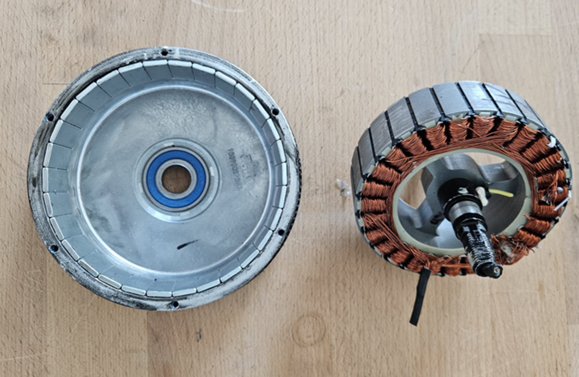
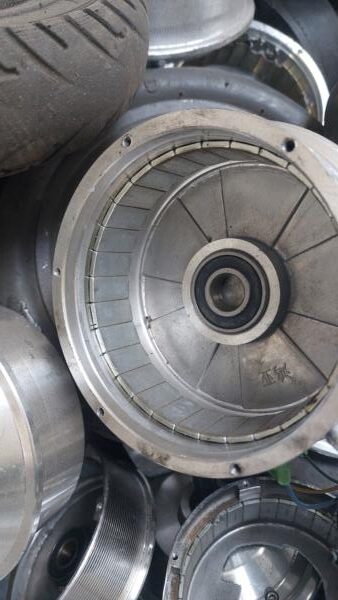
Interior of an e-scooter wheel. The Neodymium magnets are the rectangular, metal-coloured panels lining the wheel on the left.
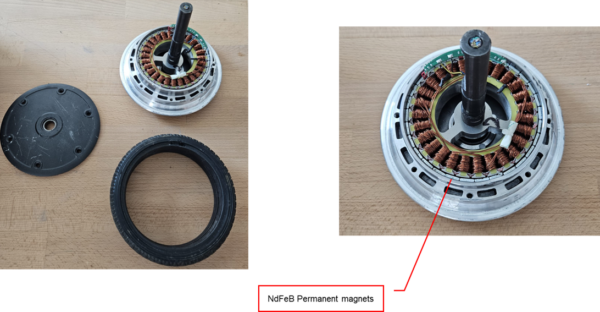
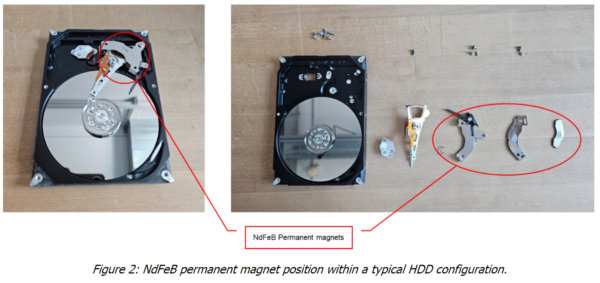
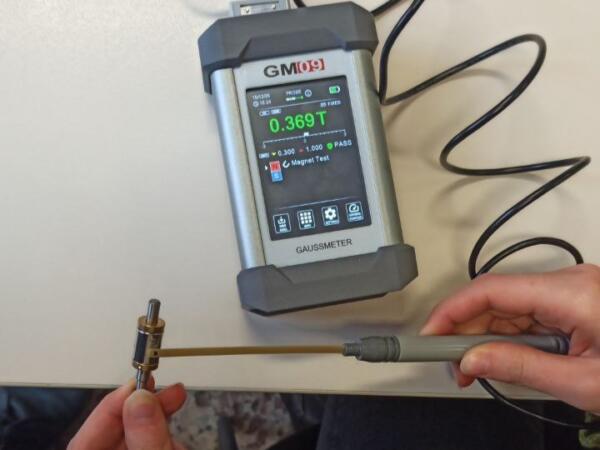
One challenge is demagnetisation. Ideally, permanent magnets should be demagnetised during manual disassembly to prevent them being pulled into machinery or contaminating other waste streams. But this typically requires very high temperatures, which can damage surrounding components. “The treatment plants just don’t have the tools or ovens right now, because they’ve never needed to do this before,” says Pivari.
Sorting and separating products poses another problem. At the waste treatment plant, it isn’t always clear whether a device contains neodymium magnets or less powerful ferrite magnets, making separation time-consuming. “We can be asking a waste treatment plant to separate a product, without even knowing which type of magnet it contains,” highlights Pivari.
When it comes to permanent magnet recycling, this lack of visibility across waste streams is a huge issue. One answer is to introduce dedicated waste codes for permanent magnets – laser-etched directly onto the component – so treatment facilities could identify a magnet’s composition before disassembly begins. Alongside colleagues from other EU projects, Harmony researchers have already urged the European Commission, to adopt this approach, which they believe would be straightforward to implement, and ease sorting processes.
Mapping e-scooter lifetime
Within Harmony, Cota and Pivari have been exploring how to recover neodymium magnets from e-scooter motors – a waste-stream with significant recycling potential. In collaboration with a waste treatment plant in Milan, they mapped the end-of-life value chain for e-scooters, analysing recoverable quantities of neodymium and dysprosium while assessing the safety and scaleability of existing disassembly procedures. Their findings exposed significant shortcomings.
According to Cota, e-scooters are simply not designed for end-of-life disassembly, a problem shared with other products containing permanent magnets, such as hard disc drives and speakers. “The issue today is that nobody has requested that these magnets be recovered, so the processes aren’t in place,” she says. “In the last thirty years, the whole [recycling] process has been about recovering the metals, not the magnets, which have ended up as scrap.”
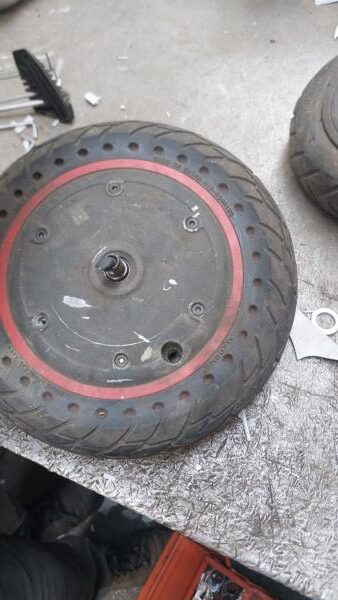
Currently, when an e-scooter reaches a treatment facility, its lithium-ion battery is removed for second-life energy storage while the remaining hardware is shredded. However, as part of their studies, Cota and Pivari wanted to remove the front wheel, which houses the motor and permanent magnets. The magnets are glued to a very strong metallic shell, designed to carry the weight of the entire e-scooter, making the entire dismantling process very complex.
Engine disassembly
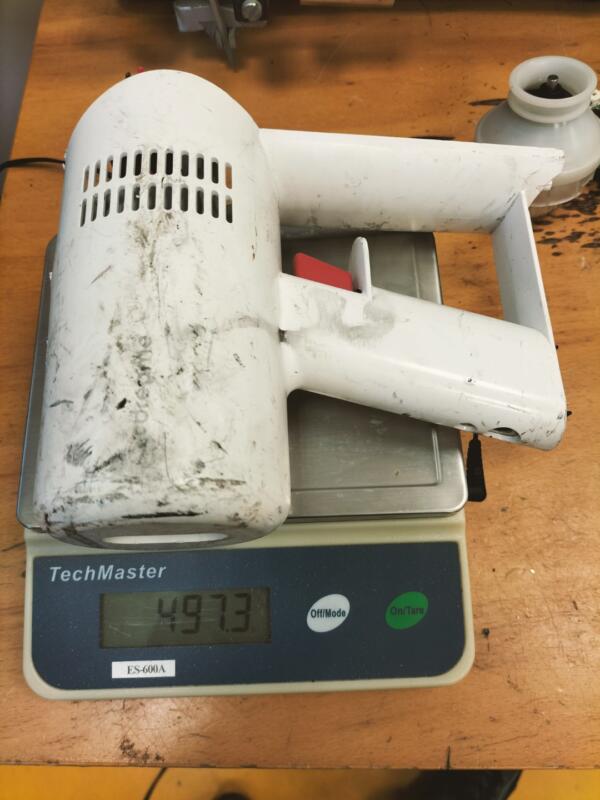
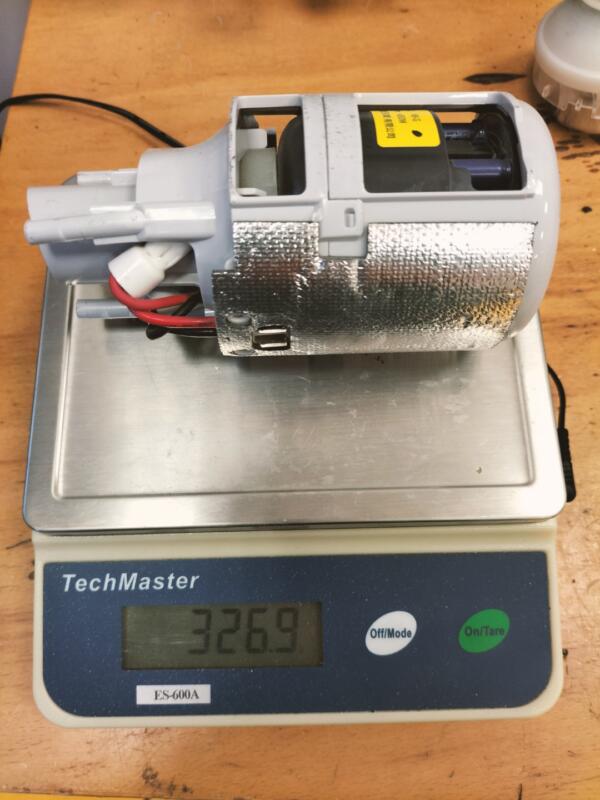
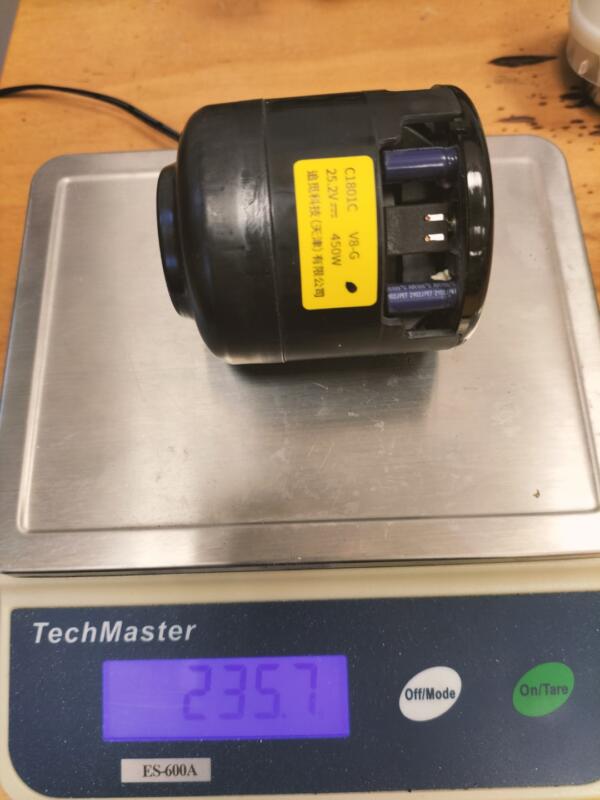
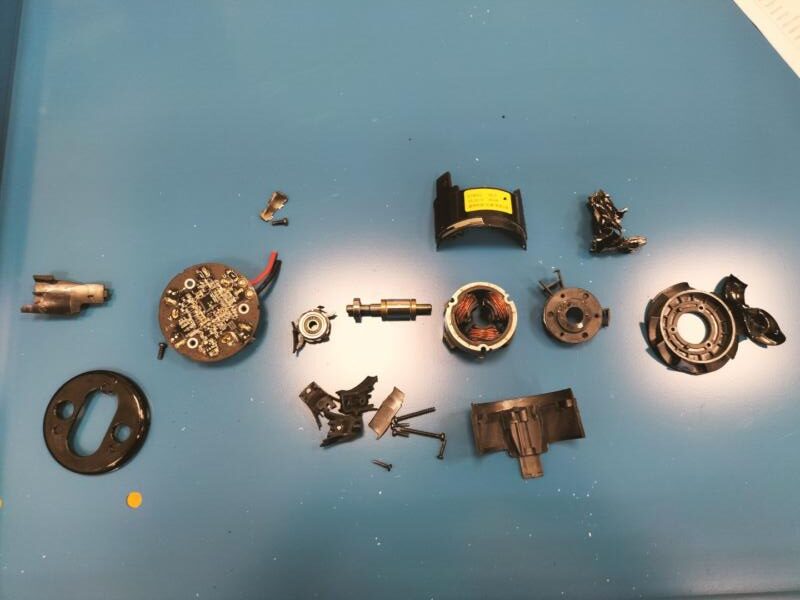
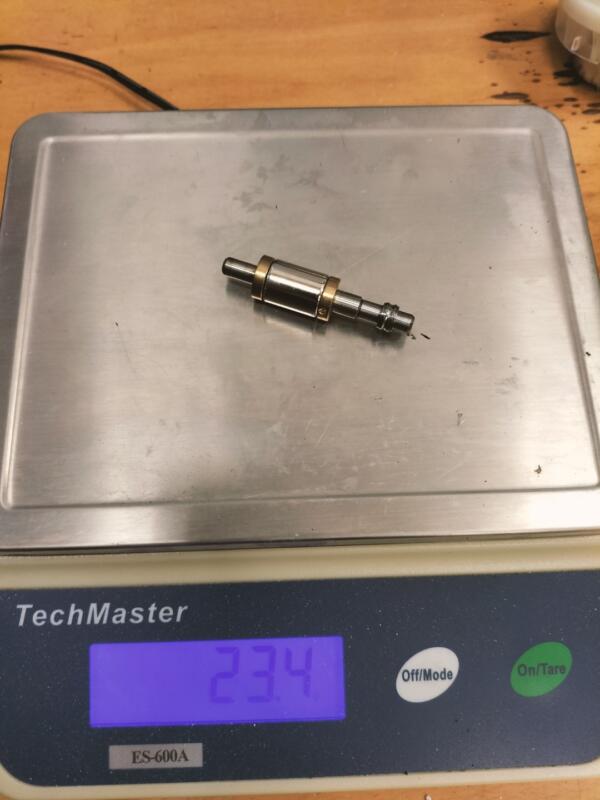
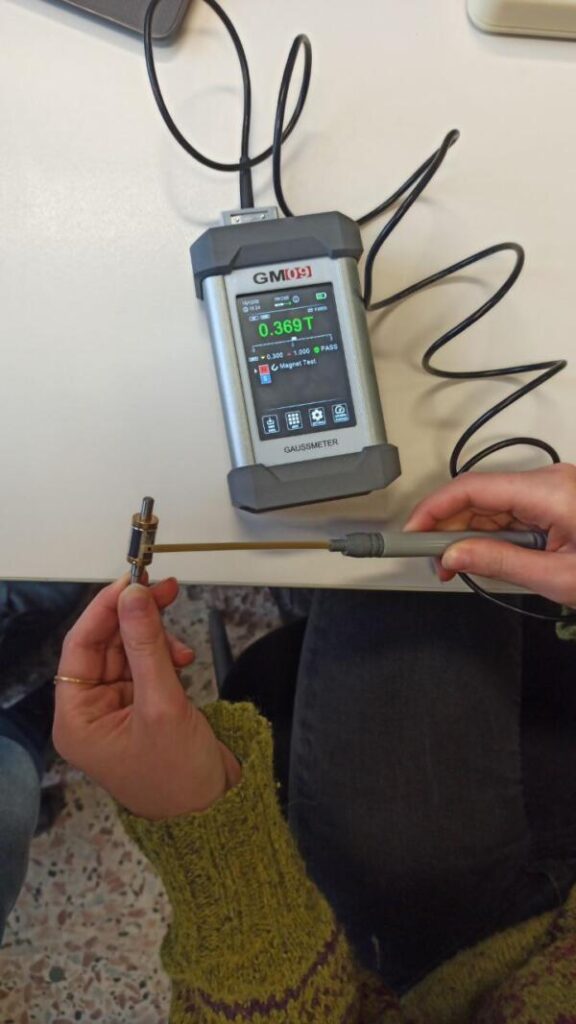
Photos Lorenzo Berzi – Dipartimento di Ingegneria Industriale, Università degli Studi di Firenze
At the waste treatment plant, operators tried to break open the e-scooter wheel, without any real success. “We wanted to see whether we could integrate a ‘lightweight’ [dismantling] process, with minimal impact on the plant’s routine – with few additional steps, limited manual effort, and without introducing complex new technologies,” explains Cota. “The goal was to understand what would actually be needed, with a view to eventually setting up a dedicated line in treatment facilities.”
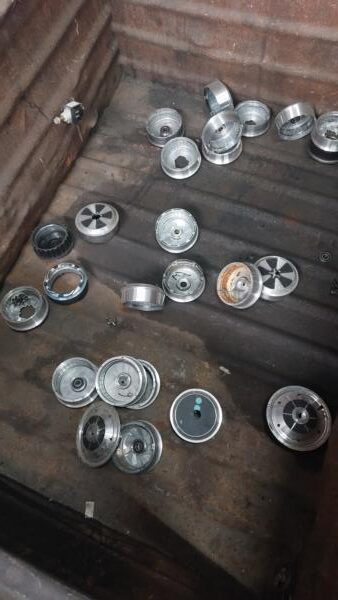
The researchers first used basic tools – hammers and pliers – to dismantle the e-scooter wheel, but discovered this to be very time-consuming and labour-intensive. “This approach also degraded the material – since almost everything is metallic, we found that when [the wheel] breaks, it generates fine dust that disperses easily and is difficult to manage,” highlights Cota.
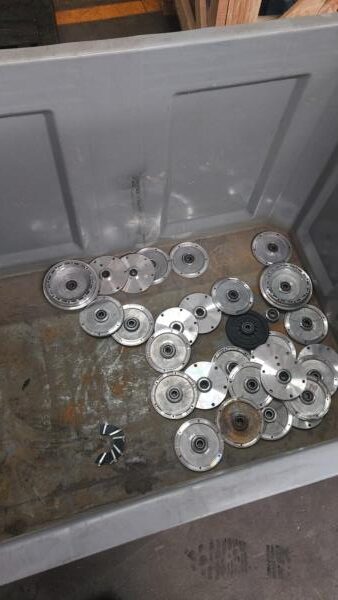
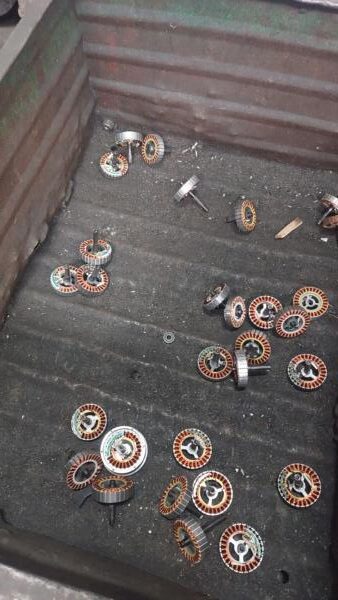
Working with Marco Papetti and colleagues at Politecnico di Milano, they went on to assess the disassembly challenges, with Papetti then looking at the possible avenues for a more automated approach. He decided to use a pneumatic extractor to remove the tyre and developed a custom-tool to separate the motor from the wheel, allowing access to the magnets.
“This whole process was more complicated than we thought it would be, and we are still at the prototyping stage,” says Papetti. “But we are happy with results so far – our disassembly process looks very promising, and we believe it will be exploitable.”
E-scooter wheel dismantling
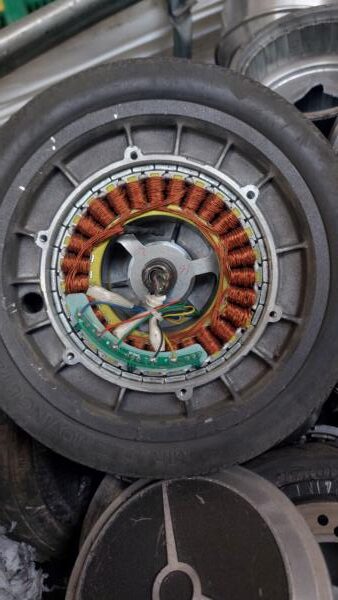
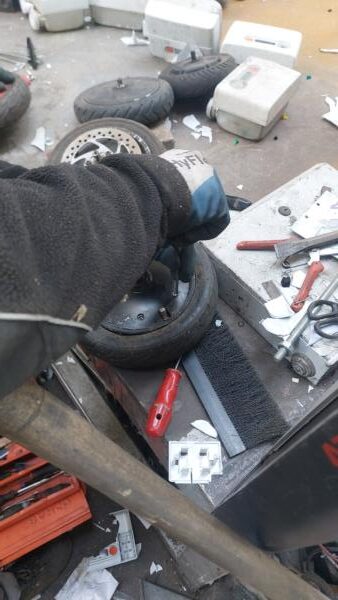
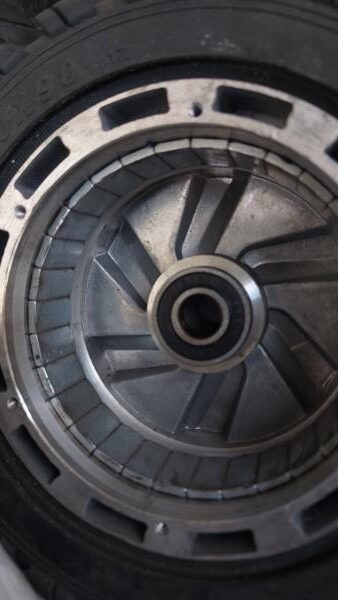
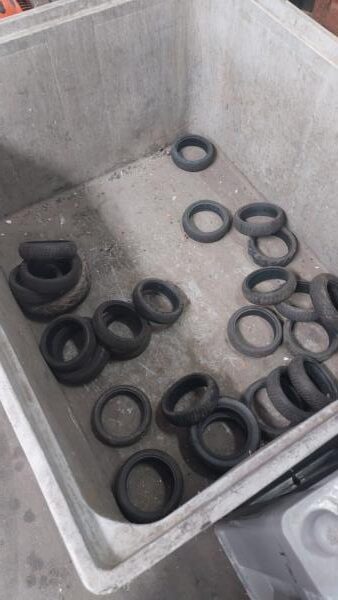
Photos ERION Compliance Organization S.c. a r.l.
Next steps
Erion’s work with HARMONY is now drawing to a close, but Cota and Pivari will continue to analyse other products, including microwaves and compressors. Studies such as this will be critical to the future of neodymium recycling in Europe, but for now, the business case for dedicated permanent-magnet disassembly lines remains weak.
“The concentration of neodymium in devices is too low for the waste treatment facilities to justify building a dismantling line, and the market for the recycled material has yet to develop,” says Pivari.
Indeed, most products arriving at treatment plants are older desktop computers, power supplies and speakers, which typically use cheaper ferrite magnets. “Treatment plants receive products that are 15, 20 years old, and these don’t contain neodymium magnets,” highlights Pivari. “So it can be a problem to actually have waste streams with sufficient volumes of these permanent magnets.”
Still, both Pivari and Cota are confident this will change with time, and are now keen to carry out end-of-life process analyses on new waste streams, which like e-scooters, could be relatively rich in neodymium. Wind turbine generators are one example of such a waste stream.
“[To drive the recovery of permanent magnets forward], we now need regulation and obligations in place, and we need the market to be ready,” says Pivari. “We are already seeing the first facilities for recycling [permanent magnets] in Europe – so I would say the necessary processes will be in place within five to ten years.”